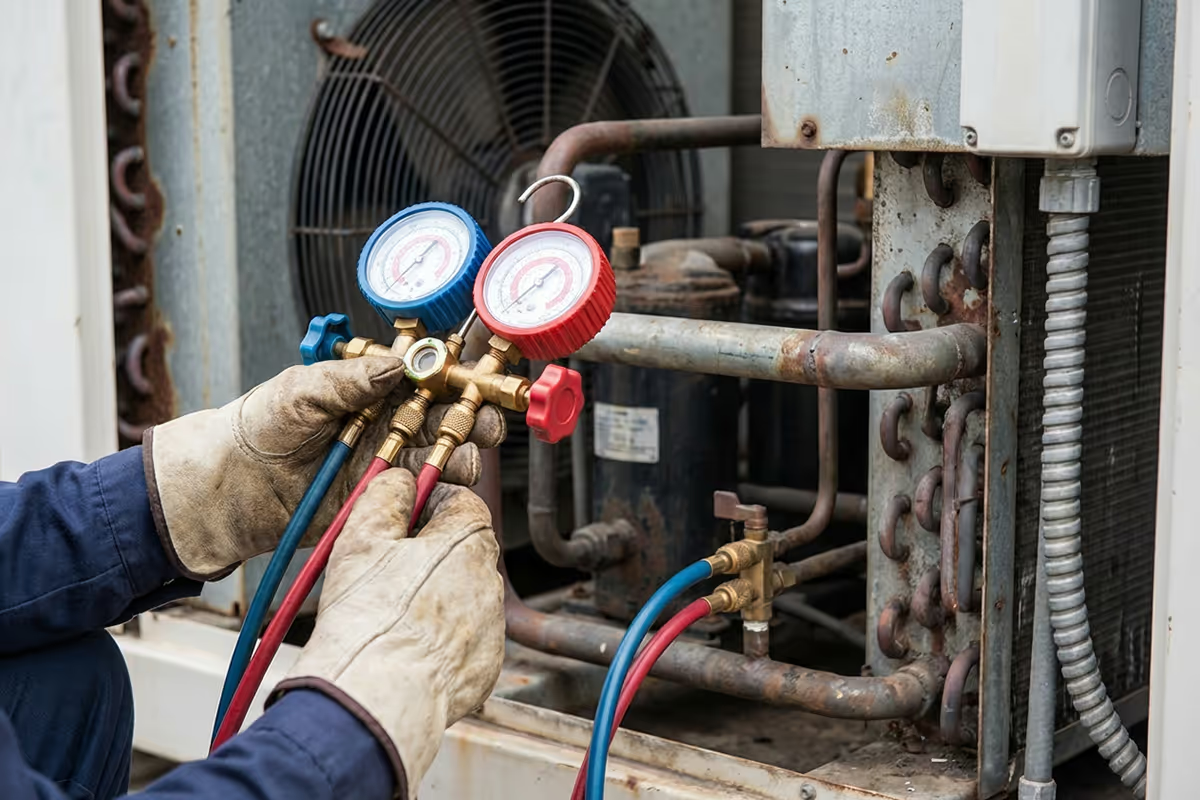
F-Gas 2027 creates new test and traceability challenges

Low-GWP refrigerants like R290 are flammable. This means validating leak detection response times, safety shutdown sequences, and charge limits across a larger test matrix. Regulators will also expect full traceability. Quix provides the necessary test data infrastructure to meet these new challenges.

The problem:

R290 requires safety systems you may not have tested before

Switching from R410A (GWP 2088) to R290 (GWP 3) satisfies the regulation but R290 is an A3 flammable refrigerant, which introduces new certification requirements.

Leak detection validation

Sensors must trigger mitigation within 15 seconds. You need to verify this across temperature extremes, humidity ranges, and sensor drift scenarios.

Safety shutdown sequences

Compressor stops, ignition sources de-energize, ventilation activates. Each sequence needs validation under fault conditions.

Charge limit compliance

Maximum refrigerant charge depends on room volume calculations with a 4x safety factor. Different installation scenarios require separate test runs.

Record retention

The regulation requires five years of documentation. This documentation may require you to link test results to configurations, certification evidence, and personnel records.
Many teams estimate a three-fold increase in test configurations compared to HFC products. The deadline is January 2027.

Test data infrastructure for compliance workloads

Quix connects to your climate chambers, merges sensor data with configuration metadata at ingestion, and stores everything in a format optimized for both fast queries and audit trails.

Automatic metadata tagging

Each test run gets tagged with refrigerant type, charge level, safety system parameters, environmental conditions, and test engineer ID. When you need to pull all R290 tests at -20°C with leak detection active, the query takes seconds.

Real-time analysis during tests

Stream data from climate chambers as tests run. Deploy Python analyzers that flag anomalies or confirm success criteria while the test is still in progress. If leak detection response exceeds 15 seconds in minute 5, you know immediately.

Parallel test monitoring

One engineer can monitor multiple climate chambers through automated threshold alerts. The system watches for out-of-spec conditions; the engineer makes decisions when something needs attention.

Built-in audit trail

In Quix, test results are always linked to configuration versions because configuration changes are tracked automatically and stored in the Quix data layer. The five-year retention is built into the platform. When auditors ask for documentation, you export it from a single system.

Data flow from climate chambers to dashboards

Configuration metadata (refrigerant type, charge level, safety parameters, environmental setpoints) gets merged with sensor data at ingestion. No post-hoc joining required.

Trusted by data-intensive R&D teams at:

How it works in practice

Pilot in days

Connect a representative climate chamber, ingest a few test runs, run queries against real data. No six-month procurement cycle.

On-premise or VPC

Quix deploys in your environment. Air-gapped operation available. No test data leaves your network.

Consulting included

We help with initial setup, data model design, and training your team on pipeline development.

Open architecture

Built on open-source technologies such as Kafka, Kubernetes, standard time-series databases. You own the architecture and your code will work on the same stack should you choose to maintain it yourself.
Let's talk

Talk to us about your F-gas testing requirements

30-minute call. We can discuss your current test infrastructure and show you how Quix handles climate chamber data.