Your R&D test rig data is worth more than you think
Don't throw it away
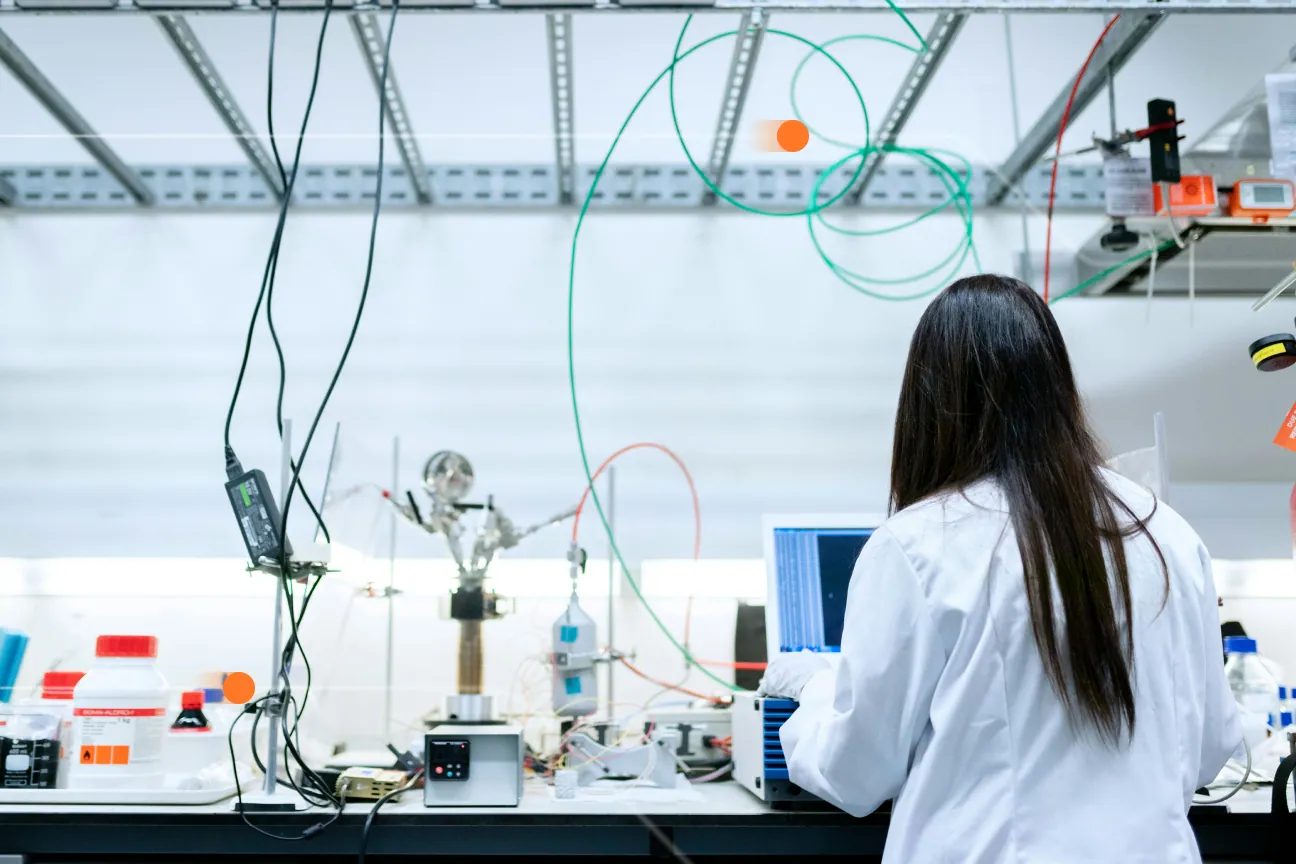
Your test rig just finished a 12-hour endurance run on your latest battery design, capturing temperature, voltage, current and vibration at 1,000 Hz — over 43 million data points now sitting on your network. In most R&D teams, what happens next is that the data gets archived, the engineer moves on, and those 43 million insights slowly become inaccessible.
You're probably throwing away test data
R&D generates an enormous amount of test data. A single automotive powertrain test can produce 500 GB a day. Aerospace engine tests routinely capture terabytes across campaigns. HVAC validation generates gigabytes of thermal and airflow measurements. Most teams treat all of it as a byproduct rather than an asset — so engineers repeat tests that were already run, design decisions get made on incomplete information, and when senior engineers retire, years of insight leave with them.
When your test data becomes a liability
A familiar scenario: a promising test on a new iteration looks strong, but three months later, when you go to scale it up, nobody remembers the exact parameter settings, which configuration files were active, or the specific model and firmware versions. The test engineer has moved on. The config files are scattered across folders with inconsistent names. You're starting over.
The core problem isn't storing the data — it's connecting it to the context that makes it meaningful. Which motor temperature profile gave the best efficiency? Which control algorithm stopped the actuator oscillating? Without configuration metadata linked to the time-series measurements, test data is just noise.
The configuration context problem
The rig captures clean time-series data: a temperature spike at minute 47, a pressure drop at minute 52, voltage swinging between minutes 78 and 82. But what configuration was running when the temperature spiked — the aggressive cooling algorithm or the power-saving mode? Which calibration file was active? Which software version was deployed?
Most teams store configuration separately from measurement. Config files live in version control, test parameters in spreadsheets, sensor calibrations in another system entirely. When it's time to analyse a result or reproduce a test, engineers spend hours finding the right files — and sometimes never do.
How this affects your entire R&D organisation
The fragmentation compounds. Engineers can't quickly see which configuration change improved performance, so they run fewer meaningful iterations. Departures take configuration expertise with them, and new engineers restart instead of building on prior work. Regulatory audits demand full traceability from result back to exact configuration, and manual documentation introduces gaps. And simulation teams can't easily validate models against real test data when the configurations don't line up.
The market is catching up
The global high-speed data-acquisition market is projected to grow from USD 4.5 billion in 2024 to USD 7.7 billion by 2032 — a 7.02% CAGR — reflecting real demand for better ways to capture and process test data. Hardware keeps improving, too, with modular multi-channel systems like Emerson's NI cDAQ-9187 and cDAQ-9813 Ethernet chassis. But hardware only solves half the problem: capturing high-speed data is one thing; managing the relationship between those measurements and the configuration context that produced them is the harder, more valuable part.
What better R&D data infrastructure looks like
The teams pulling ahead are moving past desktop workflows to centralised platforms that automatically link configuration metadata to time-series measurements. Instead of isolated files, every data point connects to its context, so when an engineer reviews a run they see not just what happened but exactly which configuration, models and parameters were active at each moment. That means faster insights, results anyone can reproduce confidently, better collaboration because teams share the full context, and audit trails that capture the whole chain automatically.
What to do next
Your rigs already capture valuable data. The real question is whether you extract value from it. When your team reviews results, how quickly can they identify the exact configuration that produced them? If the answer involves hunting through systems, manual documentation or someone's memory, you're behind. Modern R&D data infrastructure doesn't just store test data — it preserves the context that makes the data meaningful. The data from your rigs represents thousands of engineering hours and expensive equipment time; make sure you're getting the full value from it.